Commercial Waste Potters Bar — Recycling and Sustainability
Welcome to a practical overview of how Commercial Waste Potters Bar is evolving into an eco-friendly waste disposal area and a model sustainable rubbish area for local businesses. This page outlines clear targets, the infrastructure that supports commercial recycling in and around Potters Bar, and the partnerships and low-carbon solutions we use to reduce environmental impact across the borough and neighbouring districts. Our approach is designed to be pragmatic for shops, offices, construction sites and estates that require dependable, compliant waste management.Recycling percentage target: we have set an ambitious aim to achieve a 65% recycling rate for commercial waste by 2030. That recycling percentage target applies to mixed trade waste streams and prioritises segregation at source, material recovery and reuse initiatives. Setting a measurable goal gives businesses in Potters Bar a clear performance metric that aligns with regional sustainability frameworks and the wider objectives of Hertfordshire and neighbouring boroughs.
 The boroughs' approach to waste separation is increasingly important to reaching targets. In Hertsmere and surrounding areas the emphasis is on separating food waste, mixed dry recycling (paper, card, tins, and plastics) and residual waste streams. For Commercial Waste in Potters Bar this means practical on-site sorting, use of labelled containers for different materials, and regular audits to track improvements in diversion from landfill.
Local Transfer Stations and Waste Hubs
Local transfer stations are central to creating a resilient, low-carbon system. Commercial rubbish Potters Bar is serviced by nearby transfer facilities in Hertfordshire and adjacent London transfer hubs that accept segregated loads for onward processing. These points shorten haulage distances and enable consolidated loads to go to specialist recycling plants, anaerobic digestion for food waste, or material recovery facilities that process commercial recyclables.Low-carbon vans and optimised routing are a standard part of effective commercial collections. Our fleet strategy prioritises electric and hybrid vehicles for short urban rounds and Euro VI low-emission engines for heavier loads and longer trips. Using smaller, efficient electric vans for frequent runs in Potters Bar reduces idling, noise and emissions in town centres while delivering reliable service for businesses and commercial clients.
Partnerships and Reuse Networks
We work closely with charities and reuse organisations to divert high-value items from the commercial waste stream. Key partnership activities include:- Furniture and fittings recovery — donated items are inspected and passed to local charities and social enterprises.
- Textile and clothing reuse schemes that accept bulk donations from commercial clients.
- WEEE collection programmes that ensure equipment such as monitors and servers are tested, refurbished or responsibly recycled.
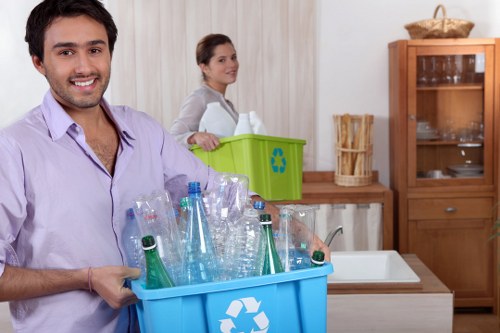 Creating a practical sustainable rubbish area on-site makes it easier for businesses to hit recycling goals. Simple measures—clear signage, colour-coded bins and training for staff—can dramatically increase capture rates for recyclables. Regular waste audits help identify contamination issues and opportunities to introduce additional segregation such as separate streams for cardboard, glass, plastics and food waste.
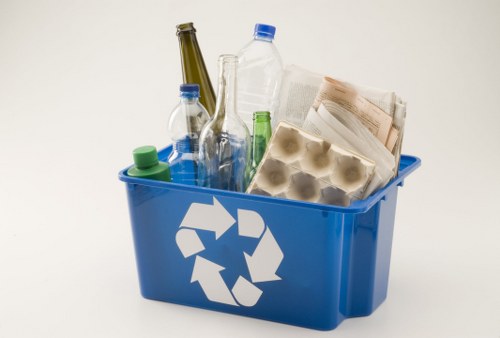
Recycling activity relevant to Potters Bar and its surroundings involves municipal-style separation scaled for commercial use. Typical streams handled include glass, paper and cardboard, metal, plastic, and food waste, with specialist collection for construction and demolition materials like timber, concrete, and mixed inert wastes. These measures align with borough waste strategies that encourage source separation and localised processing.
Monitoring and compliance are essential. Commercial waste contracts include reporting clauses so businesses receive quarterly performance data showing tonnages diverted, contamination rates and progress toward the recycling percentage target. Transparent reporting supports continuous improvement and demonstrates corporate responsibility to customers and regulators.
 Benefits of an eco-friendly approach extend beyond environmental gains — efficient recycling and reduced landfill volumes often translate into lower disposal costs and improved corporate image. By positioning Potters Bar as an exemplar commercial recycling area, local businesses can benefit from pooled services, shared transfer station access and collaborative procurement of low-carbon vehicles and technology.
We also develop bespoke solutions for sectors with specific needs: hospitality, retail, light industrial, and construction. Examples include scheduled bulk cardboard collections, segregated food-waste rounds feeding anaerobic digestion facilities, and dedicated skips for recyclable construction aggregates. These specialised services reduce contamination and make recycling easier for businesses that generate complex streams.
 Commitment to a circular local economy is central to our strategy. By combining effective on-site segregation, use of local transfer stations, partnerships with charities and social enterprises, and a low-carbon van fleet for collections, Commercial Waste Potters Bar aims to meet its 65% recycling percentage target and continuously raise the bar. This integrated approach supports business continuity, regulatory compliance and a cleaner environment for the community.
